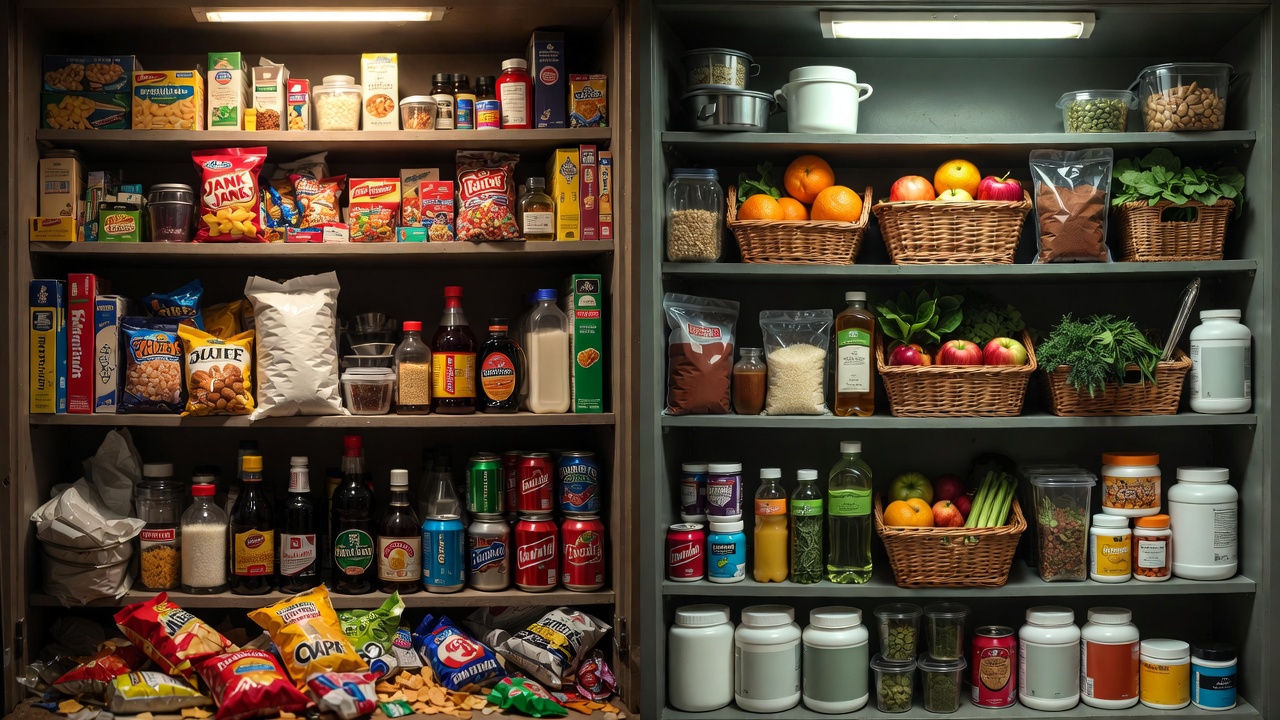
Create Space for Healing Foods
Your Easy Pantry Refresh Guide
As a Holistic Functional Nutritionist working with women in perimenopause, menopause, and post-menopause, I've seen how a simple pantry refresh can be the kindest first step toward reclaiming energy, easing bloating, reducing joint discomfort, and feeling more like yourself again.¹ This guide isn't about perfection—it's about gently creating space for healing foods that support your unique microbiome and hormonal shifts.²
Women in midlife entering perimenopause, menopause, and post-menopause often experience significant health shifts, which can be influenced by dietary factors such as ultra-processed foods, high sugar intake, and certain anti-nutrients (like lectins in undercooked or non-pressure-cooked legumes). These may contribute to gut microbiome imbalance (dysbiosis), potentially exacerbating common symptoms including stubborn weight gain, joint pain, hair thinning (via the gut-skin axis), mood changes (via the gut-brain axis), intensified body temperature fluctuations, low energy, and chronic fatigue—often diminishing that 'get-up-and-go' feeling.
However, empowering choices and foundational habits can make a meaningful difference in physical, mental, and emotional transformation. Proper nutrition is often the most important starting point. One gentle first step I recommend to women I work with is a pantry refresh: removing items that may disrupt gut balance, trigger cravings, or hinder mood, energy, and vitality. We are all unique in our builds, physiques, interests, and tastes—embracing this individuality is key. When the gut becomes imbalanced over years of nutrient-poor foods, the microbiome can react with signals contributing to chronic inflammation, which may affect mitochondrial function (our cellular powerhouses). Combining the right foods to support a balanced gut can help re-stabilize and promote harmony.
Step 1: Make a Quiet Stress-Free Plan
Set aside some unrushed time to open your pantry, fridge/freezer. Take a calm, kind look at what's there—read the labels carefully—and identify foods that may quietly challenge microbiome balance for many women, especially in midlife when hormonal shifts can amplify the impact on symptoms like weight gain, joint discomfort, low energy, mood fluctuations, bloating, excessive gas, and hair thinning.
Here's a clear list of common ones to spot (these are the ones that often shifted things for me and the women I work with):
Hidden sugars beware Food labels disguise added sugars with technical or natural-sounding names. A simple guide: if you can't easily pronounce it, consider steering clear. Common examples include high fructose corn syrup, dextrose, sucrose, maltose, agave nectar, maltodextrin, fruit juice concentrates, evaporated cane juice, brown rice syrup, and barley malt—all acting as added sugars that can spike blood sugar, feed cravings, and tip the microbiome toward imbalance.³
Stay mindful of high-sugar items like many granolas and granola bars (which can also contain lectins and other ingredients that some women find disruptive to gut health), sodas, diet sodas, and high-sugar juices (orange, grape, pomegranate, cranberry, apple).
Certain oils & fats Highly processed seed oils such as soybean, sunflower, grapeseed, and canola are rich in omega-6 fatty acids and—when consumed in large amounts or out of balance with omega-3s—may contribute to inflammation for some people. Canola oil is often highly refined and may carry trace residues from farming practices (like glyphosate).⁴ Other fats worth limiting include margarine, shortening, hydrogenated vegetable oils, and trans fats.
Ultra-processed & packaged foods As a primary rule, lean away from items in wrappers: pre-packaged snacks, cookies, cakes, candy, sweetened cereals, frozen convenience meals, instant soups, cheese crackers, and most convenience snacks. These often combine multiple potential disruptors.⁵
Processed meats Many contain added nitrates/nitrites (hot dogs, corn dogs, luncheon meats, some bacons)—best enjoyed occasionally.
“Sugar-free” or “no sugar added” products These can still be high in natural sugars or use artificial sweeteners. Emerging research suggests certain artificial sweeteners may shift microbiome balance and contribute to dysbiosis in some individuals.⁶
This step is about gentle awareness, not perfection. In my experience, clearing these quietly disruptive items while adding in gut-nourishing choices (fermented foods, polyphenol-rich plants, fiber for SCFAs and butyrate) often brings noticeable relief for midlife women. Your body is unique—listen to how it responds.
Step 2: Become a Thoughtful Label Reader This habit pays off forever—not just today. Scan labels for hidden added sugars (they hide under many names), inflammatory fats, and long lists of unfamiliar ingredients. If a product has a long chemical-sounding list, it's usually best to let it go.
Best practices: Any prepackaged, premade in plastic, cardboard or bottled sauces, canned goods likely will contain one or more of the following. Items to avoid—read those labels:
• BHA & BHT (synthetic preservatives). • Sodium benzoate (common in sodas and packaged items). • Carrageenan (thickener in plant milks and processed foods; linked to gut irritation in some).⁷ • Artificial colors. • MSG (flavor enhancer). • Sodium nitrates/nitrites.
Step 3: Clear with Compassion Clearing out what may harm you is great progress—you're taking the first step toward a healthier you. Remember, nourishing your gut nourishes your whole body. Celebrate that you're diving into healthier eating habits and ingredients, improving your lifestyle, and opening up a more joyful experience.
Step 4: Restock with Purpose Now that you have a list of what to avoid and what may disrupt your gut, you have a great guideline on what to pop into your basket and what to say no to. Remember, your goal is a healthier you—not a weaker, slower, internally disruptive one. Your goal? A joyful mood, a slimmer and healthier self bringing back the vitality you yearn for.
Step 5: Organize for Gentle Success Arrange your refreshed space to make healthy choices effortless:
• Group like-kind items: Keep spices and dried herbs together for easy access. If you incorporate grains, focus on lectin-friendlier options like millet and sorghum to support forward progress toward your goals. • Always use clear airtight containers for staples. For nuts, try macadamia, pecans, and pistachios—remember, for pistachios, purchase in the shell as the skin has high polyphenol content aiding gut nourishment. If almonds are a staple, use only blanched almonds (the brown skin contains lectins). I used to use almond flour from unblanched almonds, and my body would immediately go into full bloating mode and zap my energy. So if you have similar reactions—this is something to stay clear of. Focus more on coconut or cassava flour. • Add labels on containers for easy identification. • Place items you use regularly on a centered shelf you'll reach for often; occasional items on higher/lower shelves. • Steer clear of plastic containers for unrefrigerated produce to avoid microplastics—wooden bins work well and add a nice touch. • Keeping on top of stock helps you follow your healthy plan—note your inventory weekly to organize shopping and stay consistent!
This pantry refresh is a celebration, not a chore. It brings you closer to your goals of a healthier, slimmer, happier you. Better digestion often means better health—and you deserve it. Reclaim your joy and vitality through this sustainable process and start enjoying life again without the weight gain, bloating, joint pains, and low energy zapping you.
Footnotes ¹ Clinical observations and emerging research link gut microbiome support to symptom relief in midlife women. See: "Gut Microbiota in Menopause: Current Insights," PMC, 2022–2025 reviews (associations between dysbiosis and energy, bloating, joint pain, mood).
² Hormonal shifts influence microbiome composition and vice versa (the estrobolome); dietary changes can help restore balance. See: "The Gut Microbiome and Menopausal Health," Nutrients, 2024 (role of prebiotics, polyphenols, fermented foods in hormonal symptom management).
³ "Effects of Dietary Sugars on Gut Microbiota and Metabolic Health," Nutrients, 2023 (added sugars alter microbial diversity and contribute to dysbiosis).
⁴ "The Evidence Behind Seed Oils' Health Effects," Johns Hopkins Bloomberg School of Public Health, 2025 (balanced view on omega-6s and inflammation in typical diets).
⁵ "Low-Grade Inflammation and Ultra-Processed Foods Consumption: A Review," PMC, 2023 (links to inflammation and gut imbalance).
⁶ "Artificial Sweeteners: A Double-Edged Sword for Gut Microbiome," PMC, 2025 (potential dysbiosis effects in some individuals).
⁷ "Dietary Carrageenan Amplifies the Inflammatory Profile... in Crohn's Disease," Inflammatory Bowel Diseases, 2025 (gut irritation evidence).
