About Me
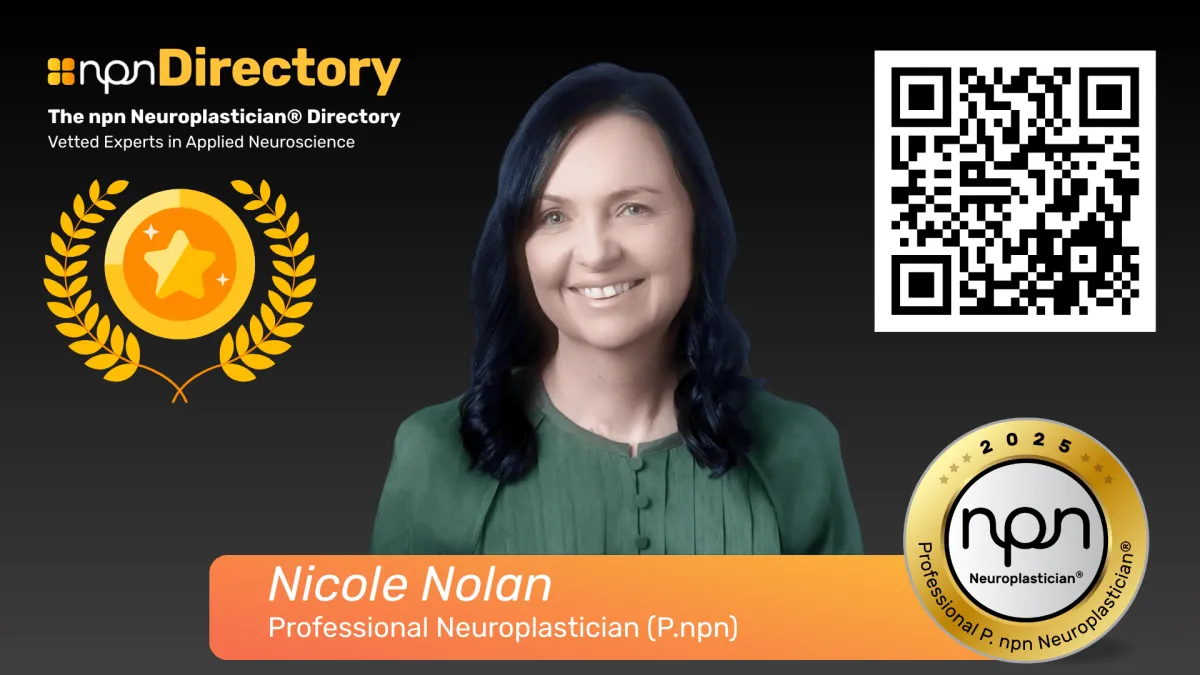
I am an educator at heart.
For nearly 30 years, I have worked in classrooms with one guiding belief: connection and creativity are not extras — they are foundational to learning.
From the very beginning, I was drawn to the children whose behaviour told a story before their words ever could. I didn’t want to fix them. I wanted to understand what their nervous system was responding to, and how the environments around them could be adjusted so learning felt safer, calmer, and more accessible.
That curiosity has shaped my entire career.
Before becoming a teacher, I studied psychology and communication. When I entered the classroom, those interests didn’t disappear. They deepened. I began quietly translating what I was observing and learning into practical ways of supporting calm, connection, and creativity throughout the day.
Not as programs.
Not as add-ons.
But as part of the natural rhythm of teaching and learning.
Translating neuroscience into everyday practice
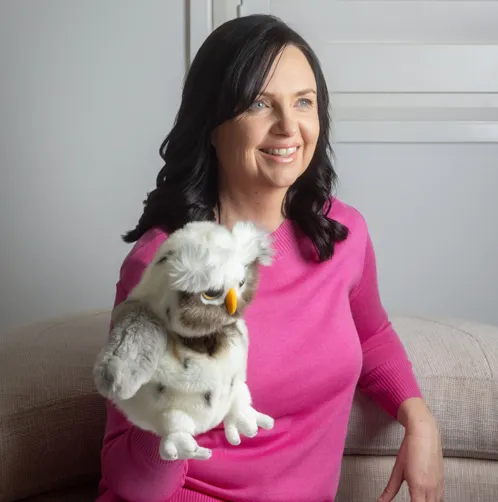
Over time, my interest in the brain–body connection and the science of social and emotional learning grew stronger. I wanted to understand why certain approaches worked so well, especially in real classrooms filled with many nervous systems, competing demands, and limited time.
I describe myself as a neuroscience translator.
I take complex brain-based understanding around stress, behaviour, and regulation and translate it into simple, practical ways that children, educators, parents, and school leaders can understand and use together.
This shared understanding matters. When people understand what is happening beneath behaviour, they are no longer powerless. They are able to respond with clarity, confidence, and intention.
When the Work Became Personal
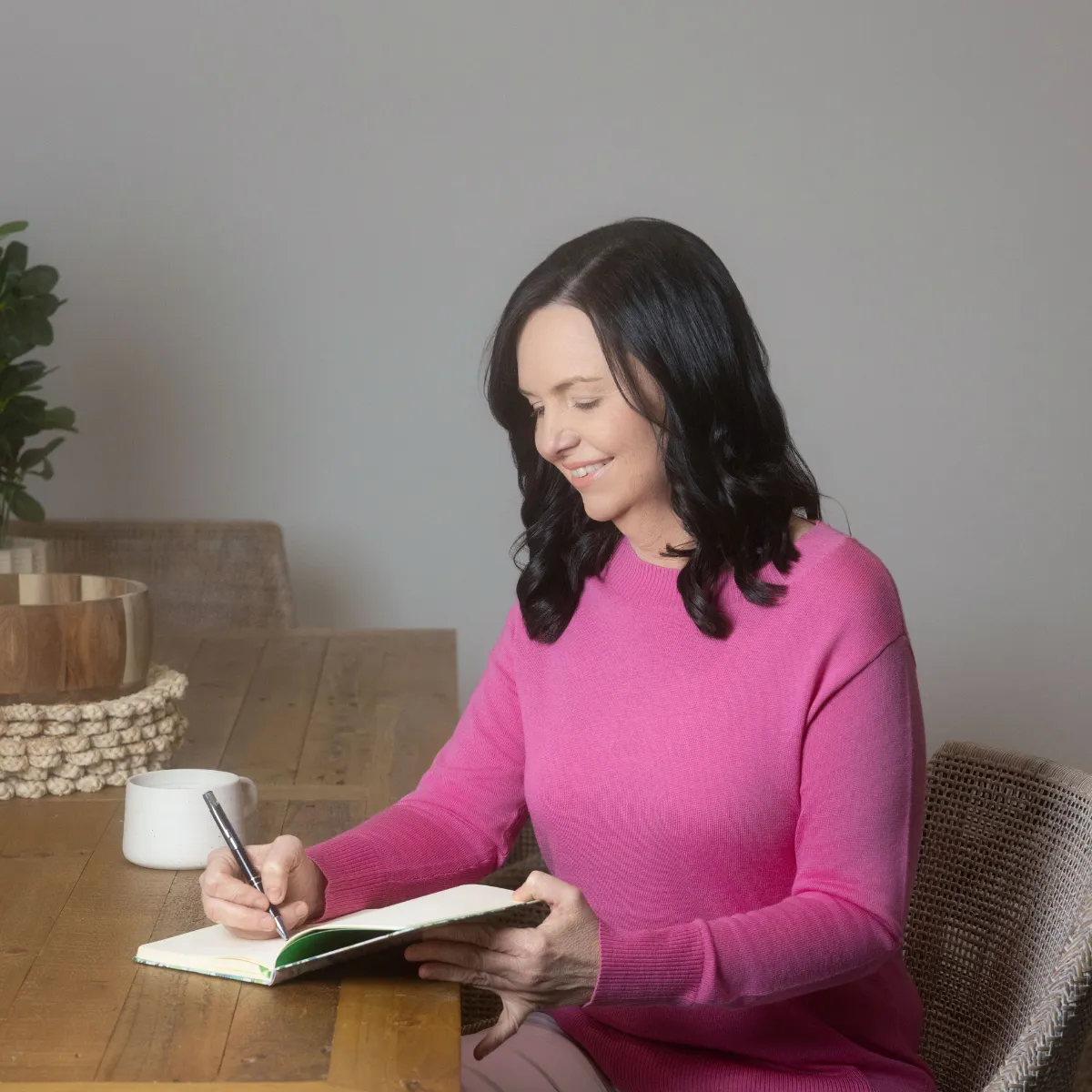
Alongside my professional journey, I also experienced profound personal loss. In 2022, I lost both my father and my husband suddenly. Supporting myself and my children through grief deepened my understanding of stress and the nervous system in ways no textbook ever could.
This experience didn’t change the direction of my work. It clarified it.
It reinforced what I had seen throughout my career: stress responses make sense in context. People are not broken. Understanding must come before regulation.
My Philosophy
I don’t believe we can remove every stressor from modern classrooms or modern life.
But I do believe we can design environments that support nervous systems to feel safer, calmer, and more capable of learning.
Real change begins with understanding.
Not adding more.
Not forcing compliance.
But aligning daily practice with how humans are biologically designed to learn, connect, and regulate.
In classrooms filled with 25 or more nervous systems — and educators already carrying so much — understanding is one of the most powerful tools we have.
When people understand what is happening beneath behaviour, they become agents of change. Not only for the children in their care, but over time, for the systems around them.
WiseLearn Education
WiseLearn was created to make this understanding practical and accessible.
Through simple, brain-informed tools, resources, and professional learning, WiseLearn supports educators, parents, and schools to build calm, connected, and creative learning environments.
Not by adding more.
But by helping people see what is already there — and how small, intentional shifts can change everything.