Rewire your Anxious Mind: Anxiety and Neuroplasticity
by Tyrone Farquhar in Neuroplasticity / Brain / Anxiety / OCD / Neuroscience Posted on 03/18/2021 02:32 P
The human brain was once believed to be hard-wired, but science has now proven that this isn’t the case. Thanks to neuroplasticity, the brain’s ability to form new connections and change how circuits are wired, sufferers from anxiety disorders can now have hope of a full recovery! Consequently, neuroplasticity has been called one of the greatest discoveries in the last century.
This amazing discovery of a brain that can be rewired has provided vital insights for the treatment of many conditions, from strokes to mental health conditions that were once believed to be very difficult to treat, with anxiety being no exception.
We now know that for many years’ numerous traditional treatments for anxiety disorders (OCD, GAD, Panic Disorder, PTSD, phobias etc) have often got it very wrong. In fact, many therapies have done the complete opposite of actually bringing about anxiety recovery. Norman Doidge, a distinguished scientist, medical doctor, and psychiatrist has said “Everything having to do with human training and education has to be re-examined in light of neuroplasticity” and the same applies to how anxiety disorders are to be treated.
By understanding how neuroplasticity works, we now know what to do to outsmart anxiety by applying specific neuroplastic techniques to bring about these positive changes in neural pathways. It’s clear now that many traditional treatments where coping mechanisms or techniques are used to try manage anxiety disorders, also bring about changes in the brain. As a result, these traditional treatments could help make coping with anxiety from day to day a little easier but actual recovery a lot more difficult.
Whether we like it or not neuroplasticity is always happening in the brain. For every experience, your brain is constantly changing, either for the better or worse depending on the actions or thoughts. Our brain does this so that we can adapt and progress by fine-tuning our behaviour and thinking until, like learning any skill, it eventually becomes effortless. What’s important to realise though, is that neuroplasticity does differentiate between experiences, and any learning that is needed for survival or to protect oneself from harm will get priority in the wiring of the brain since this is necessary for our survival.
THE DARK SIDE - NEUROPLASTICITY
The horrible thing with anxiety is that the brain perceives the thought process involved to be similar to when we feel threatened, and because any actual or perceived threat is automatically given priority in the matter of neuroplasticity, the changes that take place in the wiring of the brain at this time are considerable.
Since thinking is an experience in itself, any stressor or threat (trauma, issues, difficulties, illness, pressures etc) from the past that we worry about and give our attention to can bring about anxiety in a person. Even once this stressor has passed and now seemed to be just another bad experience or a distant memory, the brain wiring brought about by this experience remains. As already mentioned, when learning any new skill, with enough repetition we can slowly perfect the skill until it becomes habitual (like swimming or driving a car). Similarly, by repeating a thought over and over it can become effortless, a habit, and like most bad habits, anxiety can seem impossible to beat.
Fortunately, this is far from the truth, as we now can prove that the brain remains malleable throughout our lives, and can be rewired to remove anxious pathways by applying strategic neuroplastic techniques and just as neural pathways associated with anxiety are developed and strengthened over time, the reverse is also possible. These same pathways can be weakened and rendered obsolete.
Many treatments for anxiety focus on helping people manage their condition and get by, but never truly recover. That’s because the more these taught management techniques are repeated, the more automatic they become, as the brain wires itself to effectively manage anxiety instead of beat it.
NEUROPLASTICITY IS COMPETITIVE!
Your brain competes for real estate and any inactive areas of the brain will be taken over. This is one of the principles of neuroplasticity: use it or lose it, and therefore any changes in your brain are at the cost of other changes. Due to this competitive wiring, the neural wiring in the brain of an anxiety sufferer that is effortlessly bringing about anxiety are doing so at the expense of the neural wiring that would otherwise bring about calmness.
If a person is wanting to overcome their anxiety disorder, then treatments that focus on just stopping anxiety symptoms are not going to be effective enough. This is because the wiring in the brain that is responsible for anxiety is still there and waiting to be activated again by the next intrusive thought or trigger. It is important that treatment for anxiety also focuses on ensuring competitive wiring is taking place by creating specific ‘non-anxious’ wiring that competes with the ‘anxious’ wiring already there.
Without this important principle in recovery, anxiety sufferers continue to get stuck in a cycle of endless anxiety since they have not developed the neural pathways in the brain needed to move forward.
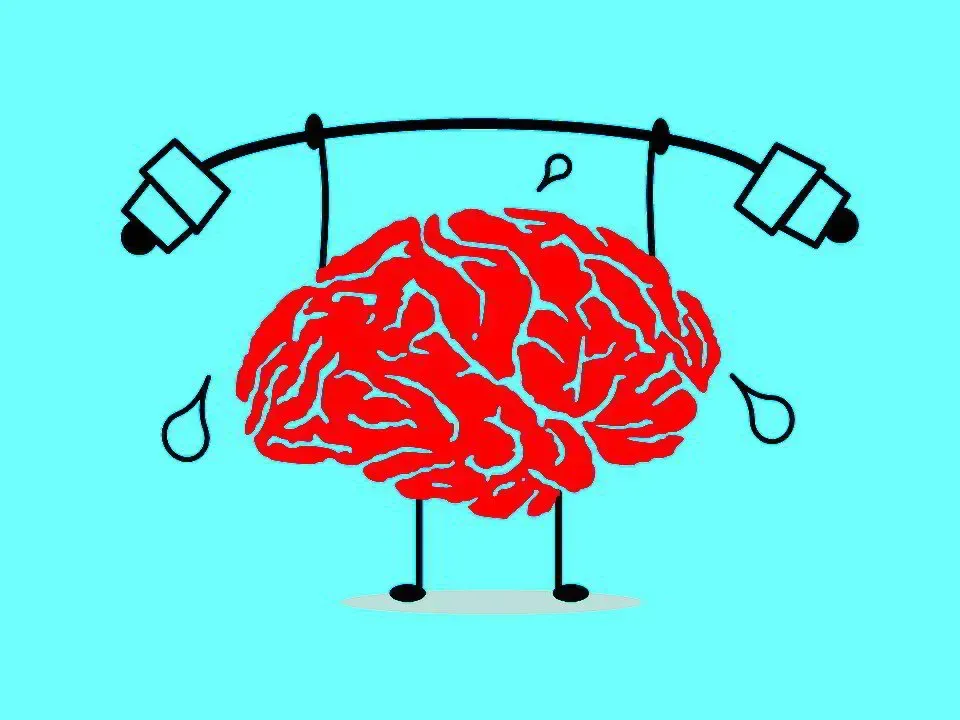
Neuroplastic intervention applies strategic techniques to weaken and remove ‘anxious’ neural connections, whilst simultaneously developing and strengthening ‘non-anxious’ neural connections; building the ‘emotional muscles’ necessary to create resilience to take the sufferer forward in recovery and to equip them in dealing with any future anxiety that may occur.
Unfortunately, many anxiety treatments overlook these crucial elements and for this reason, countless people spend their entire lives fighting and trying to manage their anxiety disorders. Sadly, many people with anxiety view their disorder as a condition that can’t be beaten, but the truth is, anxious behaviour is in effect just a habit. Like with any emotion, whether it be anger or fear, it is not necessarily a ‘bad’ emotion, but if you get trapped in it as a habitual response, it can have devastating effects on a person’s mental health. These everyday responses with repetition start to become deeply wired habits and can feel impossible to get out of.
Another important and often overlooked issue is that of bodily changes caused by anxiety. So much focus is given to correcting the anxious thoughts that other physical aspects such as breathing and postural habits are neglected in recovery, but just as much as the repetition of anxious thoughts have become habitual so have many bodily changes in response to anxiety.
While the body experiences symptoms of anxiety, it’s important to also be aware that the brain interprets anxious bodily signals (poor posture, shallow breathing etc) as cause for concern, worsening anxiety by creating a vicious cycle. The more anxious we get, the more nervous we act; the more nervous we act, the more anxious we get.
All these aspects included have related neuroplastic changes that have created a barrier between the sufferer and recovery.
The good news is, that because of neuroplasticity we also know this can be changed. With compliance to specific neuroplastic techniques rewiring the brain out of anxiety is very possible.
The sufferer can be anxiety-free if they want to, but they need to want it. Ultimately only the sufferer can do the work, and once they have these life-changing skills on how to overcome anxiety and disempower it, the sufferer has them for life and anxiety loses all its strength.
Neuroplasticity is going to take place whether we like it or not, and if the brain is going to change anyway, why not change it in your favour.