Welcome To The
Aspiring Authors Hub
📚 Meet Your Guide to Becoming a Published Author
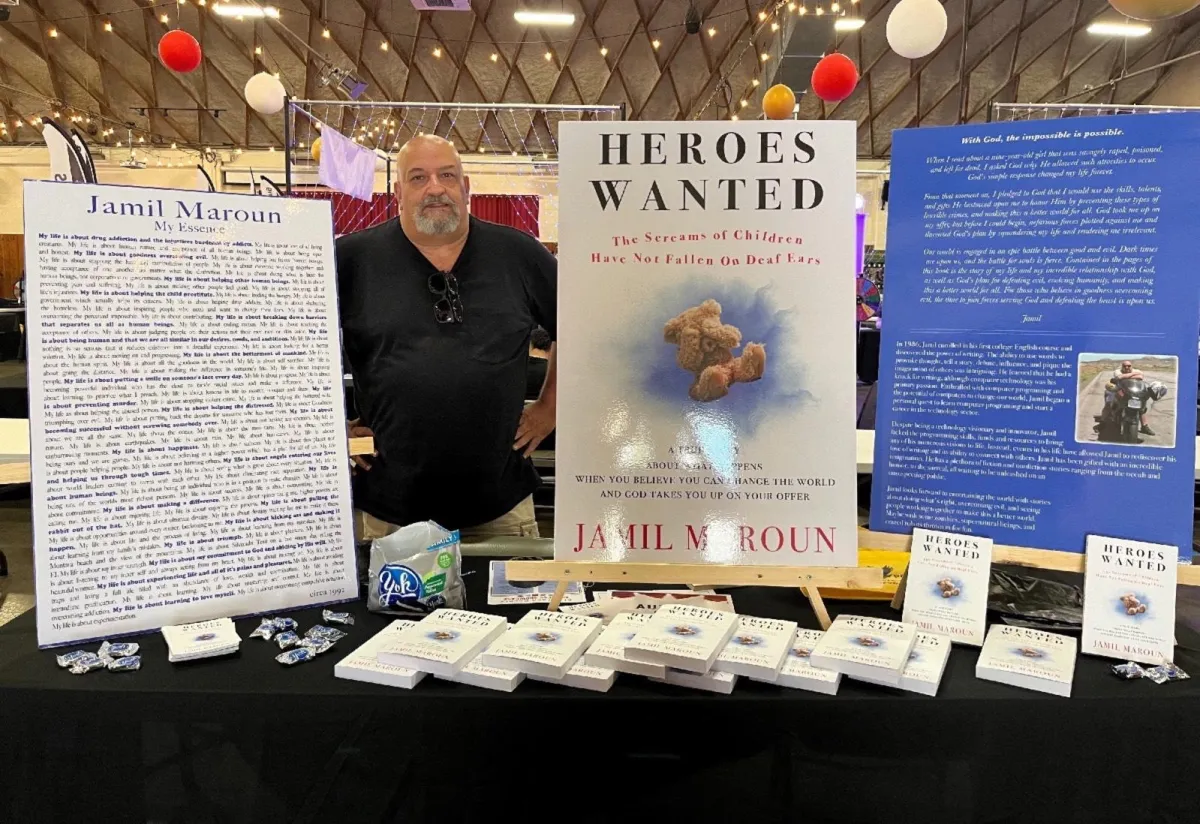
Jamil Maroun — Writing Coach, Ghost Writer & Self-Published Author

How I Guide You To
Bring Your Book To Life
Writing a book isn’t only about talent. It’s about purpose, clarity, and the courage to begin. You already have the story, experience, or message that can help others.
My role is to help you shape that purpose into a fully developed, self-published manuscript you can be proud of.
I’m not here to teach you grammar or chase best-seller lists. I’m here to walk with you through the creative process, the organization, the breakthroughs, and the revisions — until your book is finished and ready to publish.
With the right guidance and process,
your story can go from idea to completion.
The Power of Words: What I Discovered
When I took a college-level English course for self-improvement, I discovered two memorable revelations. First, I had a knack for writing. The power of writing captivated me. Words, sentences, and paragraphs could be constructed to ignite imagination, influence thinking, inform, teach, and inspire.
Second, I learned that good writing becomes great with the right guidance. I was blessed to work with two writing lab assistants who elevated my work beyond what I believed was possible. Through their support, I experienced how a strong idea can grow into a compelling piece of writing when it’s guided, refined, and thoughtfully developed.
These two revelations serve as the cornerstone of my coaching philosophy today. I now pass that same experience forward — helping new authors develop ideas with clarity, intention, and meaningful refinement.
I know that good writing becomes great through meaningful refinement. I now help new authors do exactly what I learned to do: take a powerful idea and develop it into a well-crafted, impactful manuscript.
The Power of Logic: How Stories Take Shape
I’m self-taught in computer programming, and programming taught me one of the most valuable lessons I’ve ever learned: think logically.
Logical thinking cuts through confusion, clarifies outcomes, and creates structure — and it translates seamlessly into business processes and, ultimately, into writing.
Logic breaks complex ideas into manageable steps.
Logic turns brainstorming into clear, purposeful chapters.
Logic shapes story development, even in the most imaginative narratives.
Think about the most chaotic story you’ve ever read or watched. No matter how wild or unpredictable it seemed, the author relied on a sequence of logical decisions to create that chaos with intention. Creativity might spark the idea, but logic is what allows it to take shape.
I help new authors think, process, and organize their ideas logically, so their stories become meaningful, cohesive, and true to their purpose — without losing creativity.
Eight Years, Countless Notes, One Finished Book
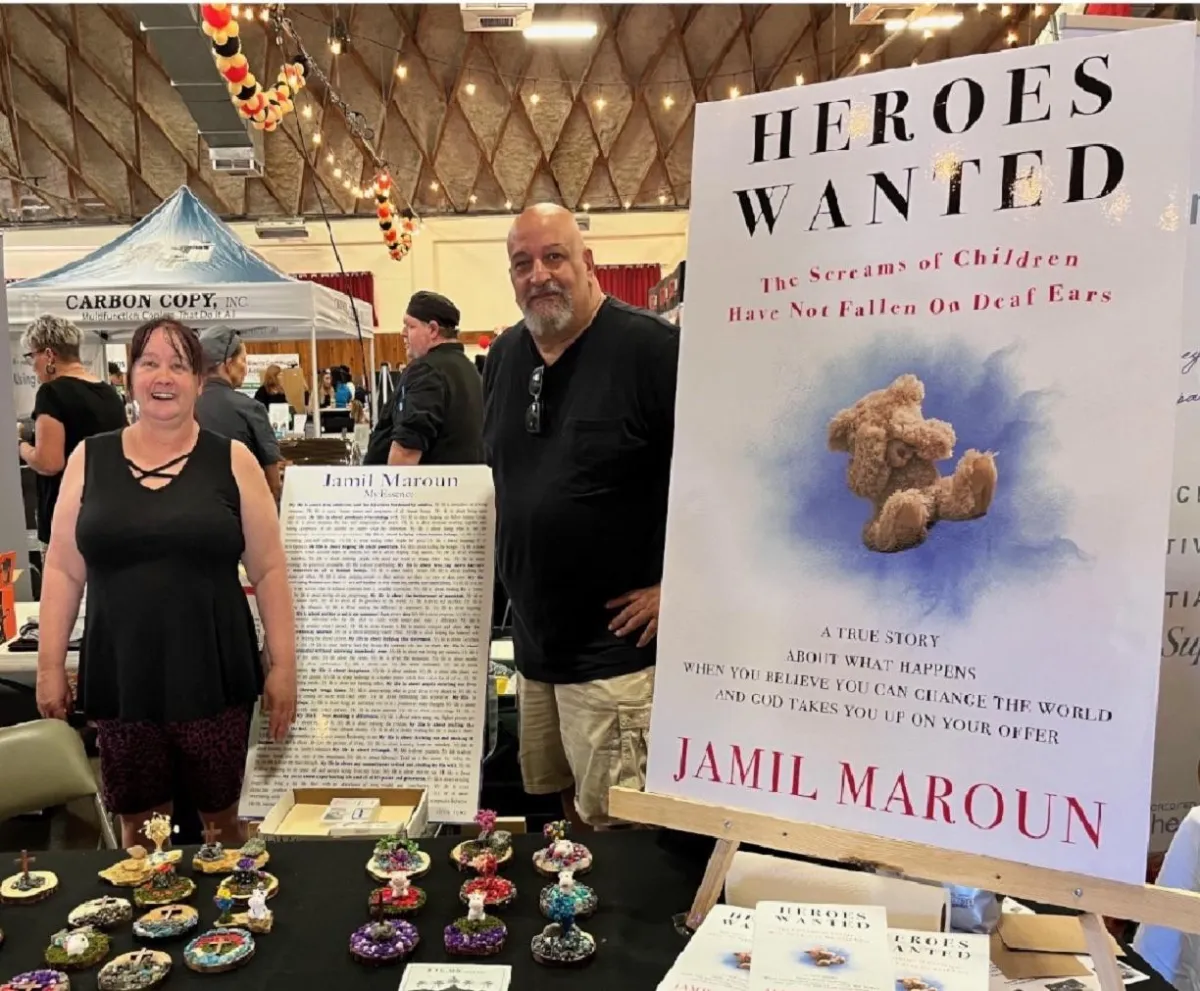
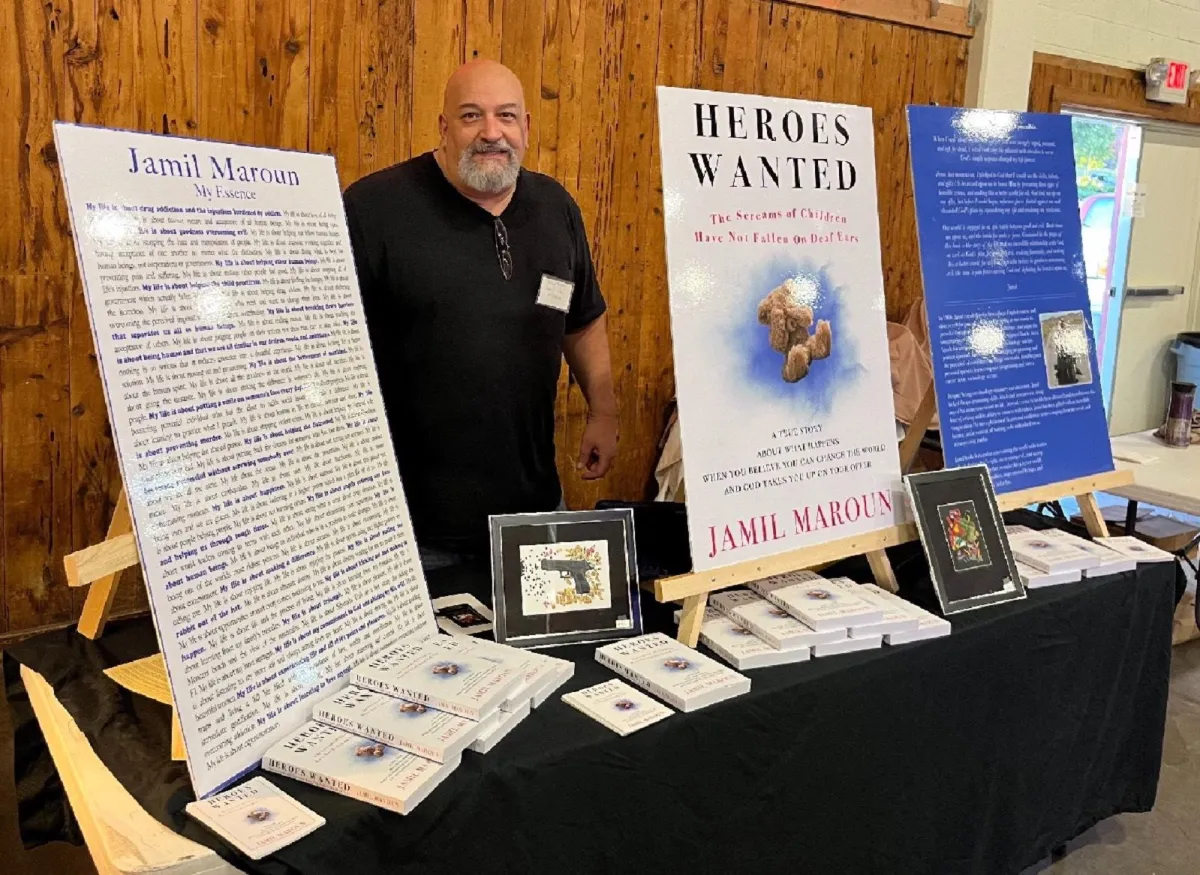
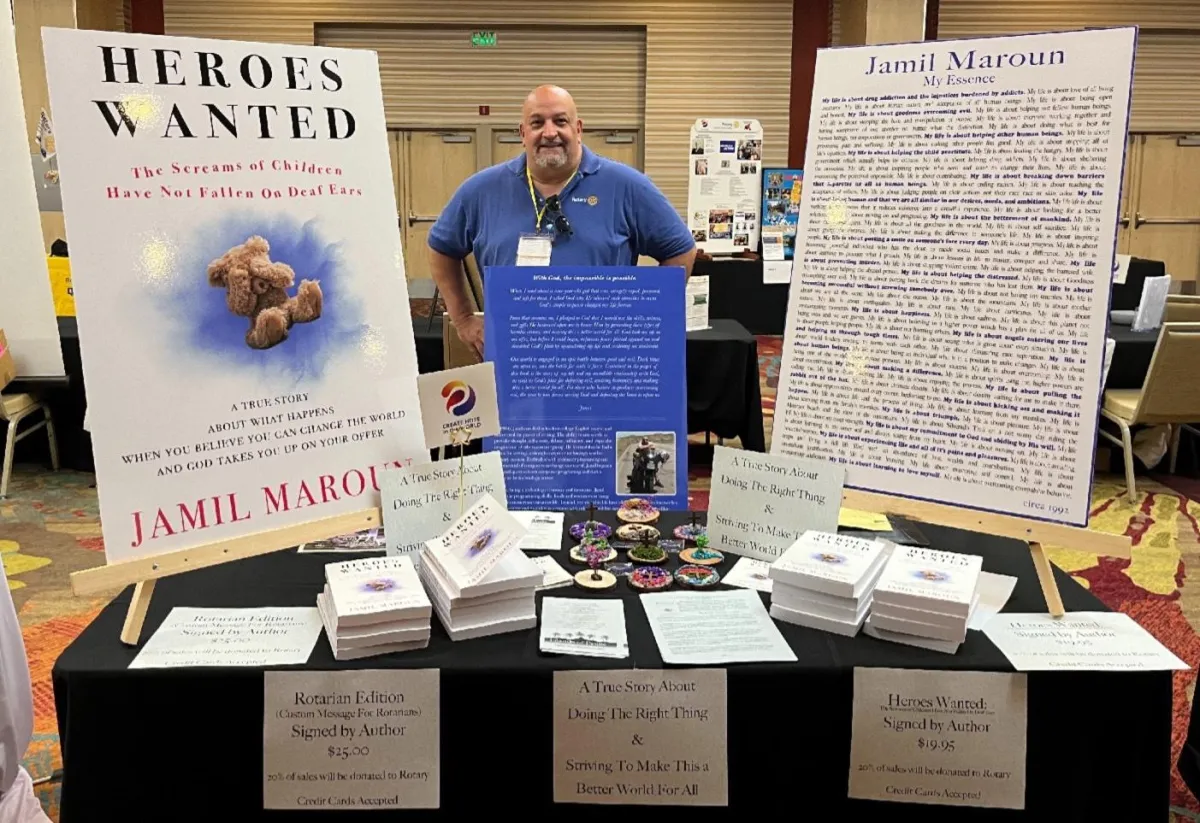
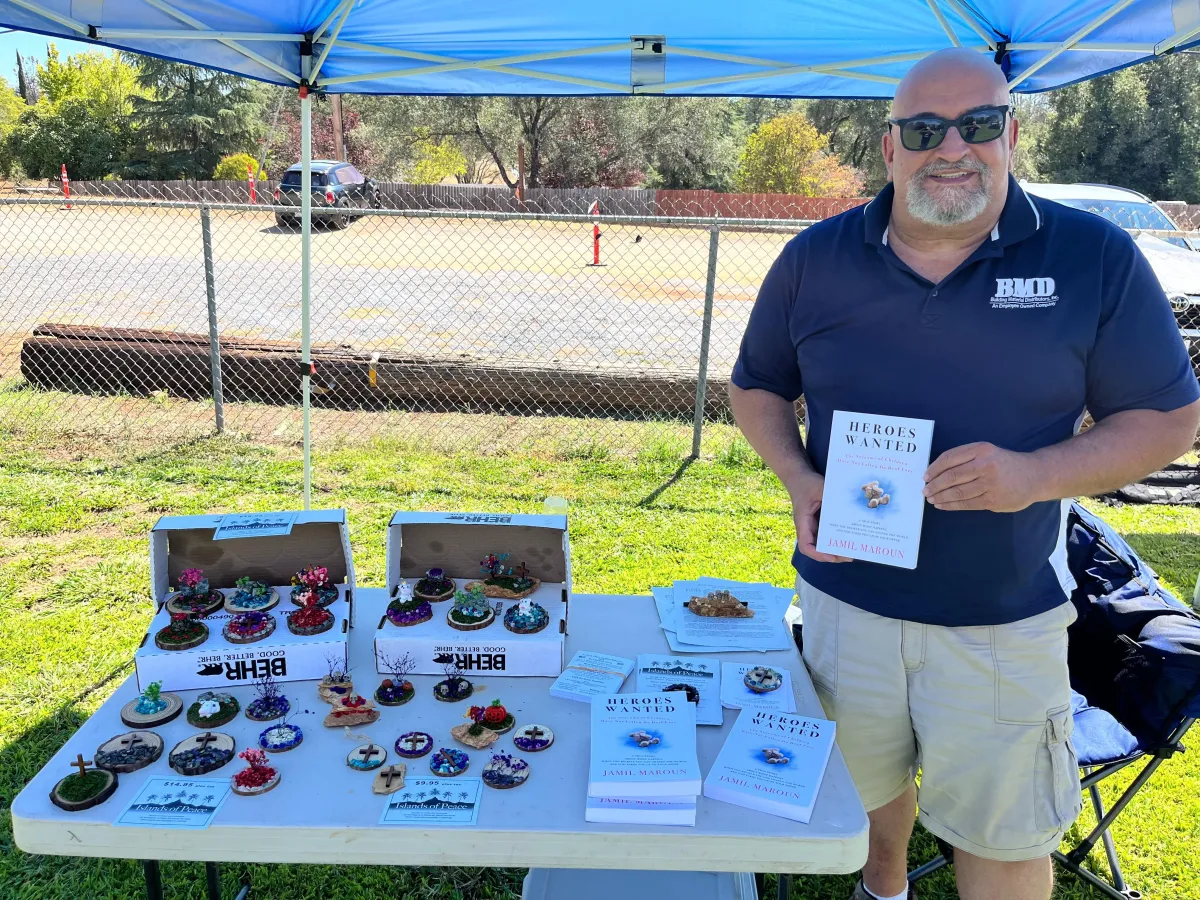
I didn’t decide to write my book—I felt compelled to bring it to life. When I first began writing
Heroes Wanted: The Screams of Children Have Not Fallen on Deaf Ears, I had no direction at all.
My mind was flooded with themes, memories, and experiences that demanded to be expressed. Inspiration refused to wait. Night after night, I found myself
wide awake at 1:00 AM, capturing ideas, brainstorming freely, organizing my thoughts, and refining them
into a structured storyline.
Over time, I learned that writing is not a sprint or
a straight line. Some days were full of clarity,
and other days required stepping away so my
thoughts could mature on their own. I discovered
that brainstorming without judgment allowed
ideas to surface freely, and organization gave those
ideas direction. Through the process, I began to
recognize and embrace my creative rhythm.
Writing Is a Process of Discovery
Clarity doesn’t arrive all at once — it emerges through cycles of expression, rest, and refinement.
My writing journey taught me that writing doesn’t happen all at once. It isn’t a single burst of inspiration or a marathon session at the keyboard. Writing is a cycle — a rhythm of creating, thinking, stepping away, and returning with clarity.
We don’t complete a manuscript in one sitting.
We live with it for a while.
We come back to it when our mind is clearer and
our perspective is stronger.
That return is where the real refinement happens.
Revision isn’t about fixing mistakes — it’s about uncovering meaning. It’s about returning to the work with fresh eyes, seeing what you couldn’t see before, and allowing the story to reveal itself more clearly. Brainstorming brings ideas to the surface, organization guides their form, and time strengthens their shape. Writing requires patience and trust — trust that each time you revisit the page, your message will meet you with greater clarity.
Your Book Writing Journey
Your story matters. Your voice matters. And your
book deserves to be written with intention.
You'll learn how to:
Uncover and clarify the message behind your story
Brainstorm chapters and content with purpose
Organize ideas into a clear, logical roadmap
Write in your authentic voice
Strengthen expression through revision and refinement
Develop chapters that inform, inspire, or teach
Leverage the right tools to stay productive and organized
Complete a polished manuscript ready for self-publishing
As your guide, I’ll show you how to take your ideas and transform them into a polished manuscript — not a rough draft or a half-finished idea, but a completed work ready to be shared with the world.
🎉 Your Writing Journey Begins with a Conversation
Let’s talk about your story, your goals, and how we can bring your book into the world.
✨ Your story is ready. Let’s write it.

LEGAL
FOLLOW US


Copyright 2026. Aspiring Authors Hub. All Rights Reserved.